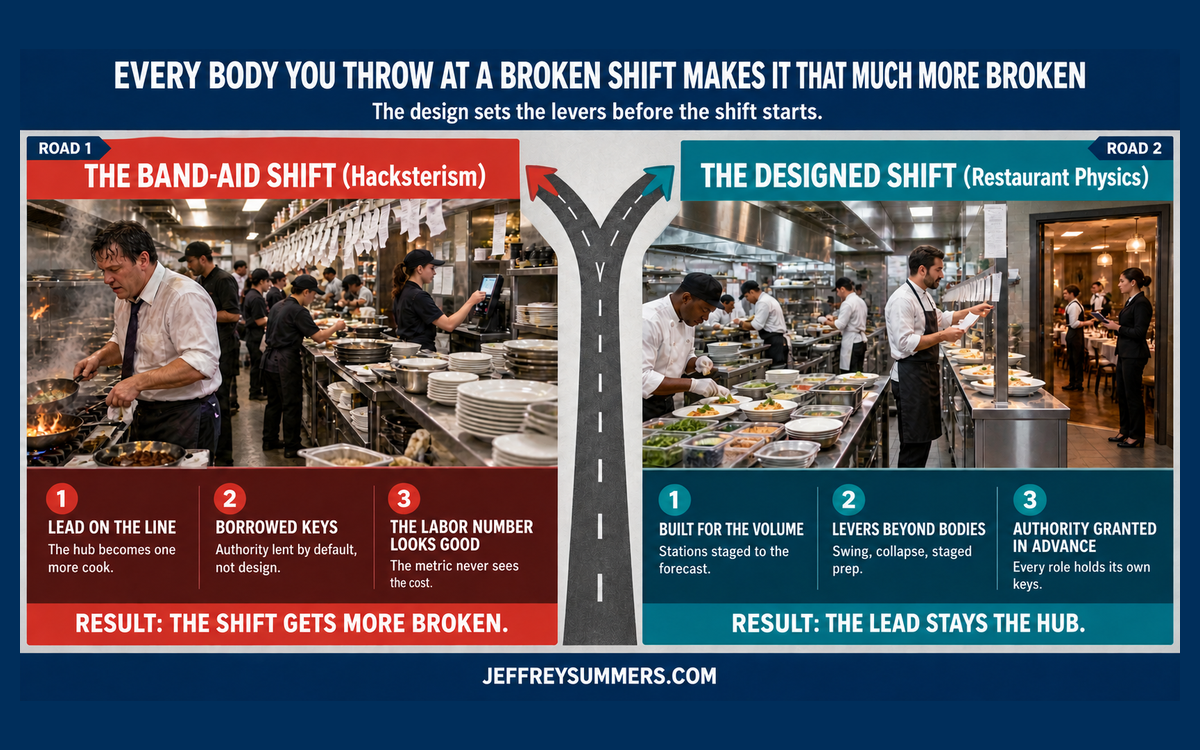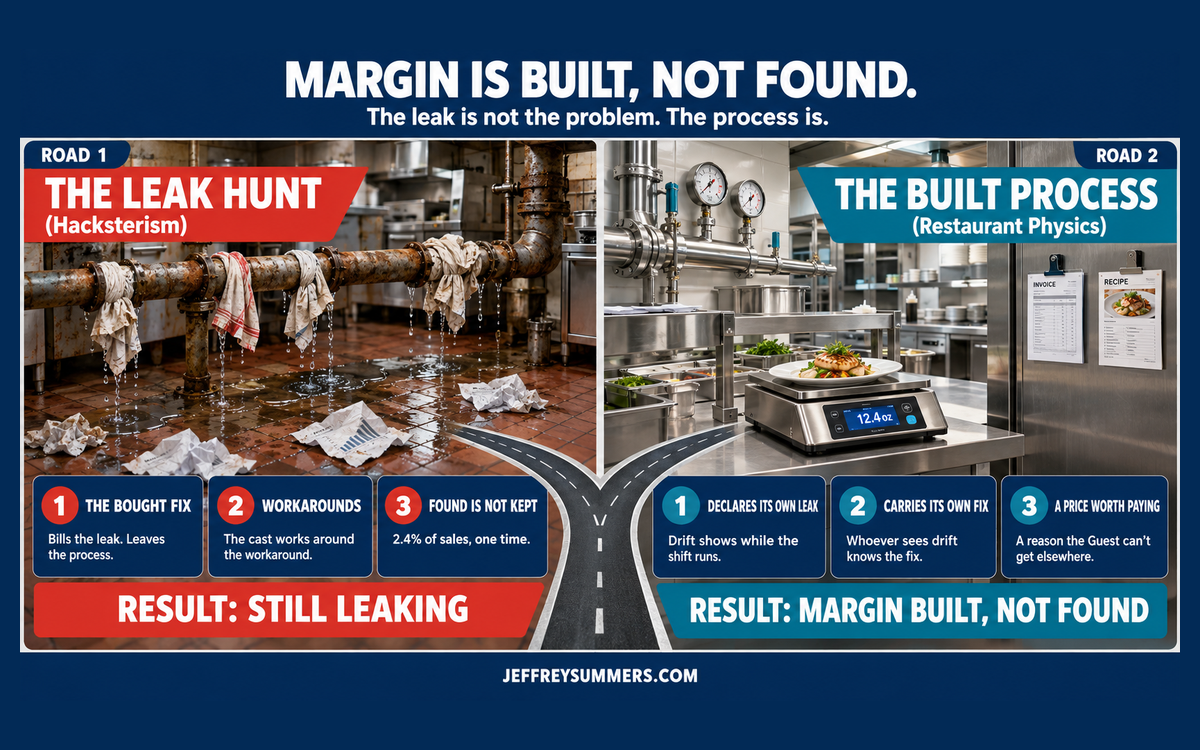

- Is the service/production model you utilize maximizing sales and profits or minimizing costs? What’s your alternative?
- Are your marketing efforts tied to a significant return? What’s your alternative?
- Is the level of talent in your business effectively growing your business? What’s your alternative?
- Is there a next level for your business and what will you need to do to get there? What’s your alternative?
Drilling Down Further
Although opportunity costs are not generally considered by most accountants—financial statements only include explicit costs, or actual outlays—they should be considered by you and your managers. Most operators do consider opportunity costs whenever they make a decision about which of two (or more) possible actions to take. Example: Most caterers factor in opportunity costs when computing their operating expenses in order to provide a bid or estimate on the price of a job. A caterer may be bidding on two jobs each of which will use half of his equipment during a particular period of time. As a result, they will forgo other catering opportunities some of which may be larger and potentially more profitable. Opportunity costs increase the cost of doing business, and thus should be recovered whenever possible as a portion of the overhead expense charged to every job.Digging Deeper
The two choices you have are: To step forward into growth or remain in your death spiral.
Discover more from Restaurant Physics
Subscribe to get the latest posts sent to your email.